
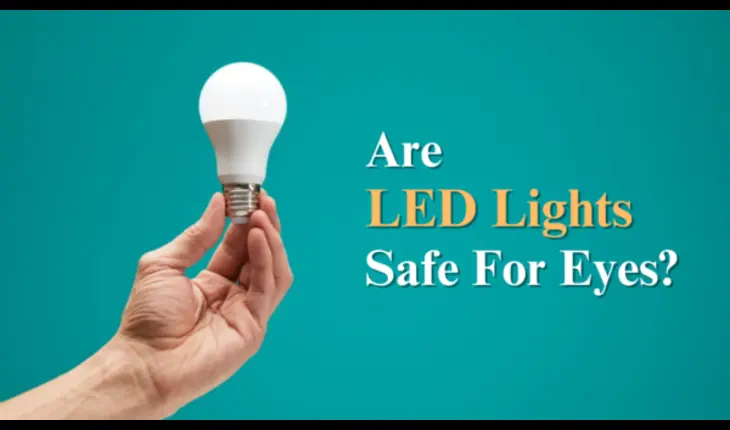
As LED lighting becomes the global standard for homes, offices, warehouses, retail spaces, and public infrastructure, a common question continues to surface:
Are LED lights safe for our health?
LEDs are praised for their energy efficiency, durability, and cost savings, but myths around eye damage, sleep disruption, and toxic materials still cause hesitation among business owners and facility managers. With Pakistan rapidly transitioning toward energy-efficient lighting, understanding the real science behind LED safety is more important than ever.
This guide separates fact from fiction, using research, standards, and real-world data to help you make informed lighting decisions, especially for commercial and industrial environments.
Why Is LED Safety a Growing Concern?
According to the International Energy Agency (IEA), LED lighting now accounts for over 50% of global lighting sales, a figure expected to exceed 85% by 2030 due to energy regulations and sustainability goals. As exposure increases, so does scrutiny.
Most concerns fall into four categories:
- Eye health and blue light exposure
- Toxic materials and environmental impact
- Sleep disruption and circadian rhythm effects
- Harsh brightness and glare
Let’s examine each, backed by science, not speculation.
Are LED Lights Bad for Your Eyes?
The Myth
LED lights cause permanent eye damage, retinal harm, or even blindness due to blue light exposure.
The Fact
LEDs do not cause permanent eye damage under normal use.
LEDs emit more blue light than incandescent bulbs, but the intensity is far below hazardous levels. According to the American Medical Association (AMA) and Illuminating Engineering Society (IES), commercially installed LED fixtures comply with strict photobiological safety standards, including:
- IEC/EN 62471
- ANSI/IES RP-27
These standards limit exposure to blue light, UV, and infrared radiation, ensuring safety for everyday environments.
What the Research Says
- A 2019 review published in Clinical Ophthalmology found no evidence linking general LED lighting to long-term eye damage.
- Eye strain is more strongly linked to glare, flicker, poor contrast, and prolonged screen use, not LEDs themselves.
- LEDs do not emit UV radiation, unlike some fluorescent lamps, making them safer in that regard.
Best Practices for Eye Comfort
For offices and commercial spaces:
- Use diffused fixtures instead of exposed diodes
- Avoid overly cool color temperatures for long work hours
- Apply layered lighting (ambient + task lighting)
- Position fixtures to minimize screen glare
When designed properly, LED lighting can reduce eye fatigue, not worsen it.
Do LED Lights Contain Toxic Materials?
The Myth
LEDs contain mercury or dangerous chemicals that pose health risks.
The Fact
LEDs do NOT contain mercury.
This is one of the most important distinctions between LEDs and older technologies like CFLs (compact fluorescent lamps).
What LEDs Are Made Of
LEDs contain small amounts of metals (such as aluminum and copper) sealed within electronic components. High-quality LEDs manufactured under RoHS (Restriction of Hazardous Substances) regulations limit or eliminate harmful substances like:
- Lead
- Mercury
- Cadmium
Environmental & Safety Data
- The U.S. Environmental Protection Agency (EPA) confirms that LEDs are non-hazardous during normal use.
- Even if an LED bulb breaks, it poses no chemical exposure risk unlike fluorescent lamps.
Why LEDs Are Safer for Facilities
- No mercury cleanup protocols required
- Fewer replacements due to long lifespan (50,000+ hours in commercial fixtures)
- Lower disposal volume over time
For businesses in Pakistan, this translates into safer workplaces, easier maintenance, and reduced environmental liability.
Are LEDs Bad for Sleep and Circadian Rhythm?

The Myth
LED lighting ruins sleep and permanently disrupts the body clock.
The Fact
Light timing and colour, not LEDs themselves, affect sleep.
Our circadian rhythm is sensitive to blue-rich light in the evening, which can suppress melatonin. This applies to all light sources, including sunlight, screens, fluorescents, and LEDs.
What Science Shows
- Research from Harvard Medical School shows that cool, high-intensity light at night can delay sleep onset.
- Warm lighting (below 3000K) has minimal impact on melatonin production.
Smart LED Solutions
Modern LED technology now supports circadian-friendly lighting, including:
- Tunable white LEDs (warm in the evening, cool during work hours)
- Automated dimming schedules
- Low-blue-light options for hospitality and healthcare
Practical Recommendations
For commercial spaces:
- Use 5000K – 6500K LEDs during daytime work hours
- Switch to 2700K – 3000K lighting after sunset
- Dim lights in break rooms and corridors at night
With the right setup, LEDs can actually support healthier sleep patterns, even in 24/7 operations.
Are LED Lights Too Bright or Harsh?
The Myth
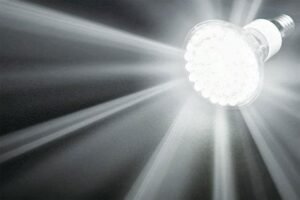
LEDs are cold, glaring, and uncomfortable.
The Fact
LEDs are available in the widest range of color temperatures and brightness levels of any lighting technology.
Early LEDs earned a bad reputation due to limited options. Today, LEDs can replicate:
- Candlelight warmth (2200K)
- Incandescent glow (2700K)
- Neutral office lighting (4000K)
- Daylight clarity (5000K+)
Why Harsh Lighting Happens
- Incorrect lumen output for the space
- Poor fixture design without diffusers
- Improper placement or beam angles
Brightness is not just about lumens; it’s about light distribution.
Design Makes the Difference
Professional LED systems use:
- Frosted lenses and baffles
- Indirect lighting techniques
- Dimmable drivers
- Zoning and layered layouts
With proper planning, LED lighting can feel warm, welcoming, and visually balanced—never harsh.
LEDs vs Traditional Lighting: A Safety Comparison
| Feature | LED | Fluorescent | Incandescent |
| Mercury | No | Yes | No |
| UV Emission | No | Minimal | No |
| Heat Output | Very Low | Medium | High |
| Lifespan | 50,000+ hrs | 8,000 hrs | 1,000 hrs |
| Energy Use | Lowest | Medium | Highest |
From a health, safety, and sustainability standpoint, LEDs outperform traditional lighting across the board.
Final Verdict: Are LED Lights Safe?
Yes, LED lights are safe, efficient, and well-regulated when used correctly.
The overwhelming consensus from medical, engineering, and environmental organizations confirms that:
- LEDs do not damage eyesight
- LEDs do not contain mercury
- LEDs can be circadian-friendly
- LEDs can be soft, warm, and glare-free
Most perceived “health risks” are actually design or usage issues, not flaws in the technology itself.
Why Paklite Recommends LED Lighting
At Paklite, we focus on:
- Standards-compliant LED solutions
- Commercial-grade safety and performance
- Thoughtful lighting design for real environments
Whether you’re lighting an office, warehouse, retail store, or public facility, modern LED systems, when chosen wisely, offer the safest and smartest lighting solution available today.